LABORATORY OF PROTEIN METABOLISM

Pokrzywa Lab logo

Wojciech Pokrzywa Lab

Who we are

We are a research laboratory at the International Institute of Molecular and Cell Biology (IIMCB) in Warsaw, one of the leading research institutes in Poland. Our core question is how cells maintain protein homeostasis - and what happens when this balance is disrupted.

We study protein metabolism as the interplay of synthesis, folding, trafficking, and degradation, focusing on how cells determine the fate of newly made proteins. We investigate translation control, the ubiquitin–proteasome system (UPS), and molecular chaperone networks as an integrated proteostasis system.

A major direction of our work is the molecular basis of rare diseases caused by defects in protein quality control, particularly those linked to UPS dysfunction. We build cellular and organismal models to understand how subtle proteostasis changes can drive severe pathology, including disorders associated with genes such as FEM1C or PIGV. We also examine organelle-specific proteostasis, especially in the nucleolus, to understand cellular responses to stress and disease.

Across projects, we combine biochemistry, cell biology, molecular genetics, advanced microscopy, and bioinformatics in mammalian systems and the nematode Caenorhabditis elegans. We leverage IIMCB core facilities for genome engineering, sequencing, proteomics, protein production, biophysics, high-throughput screening, cell sorting, and cryo-electron microscopy/tomography.

Research

Scheme of human, DNA mutation and C. elegans
Rare Diseases of Proteostasis

Ubiquitin ligases and metabolic disorders at the interface of degradation and disease

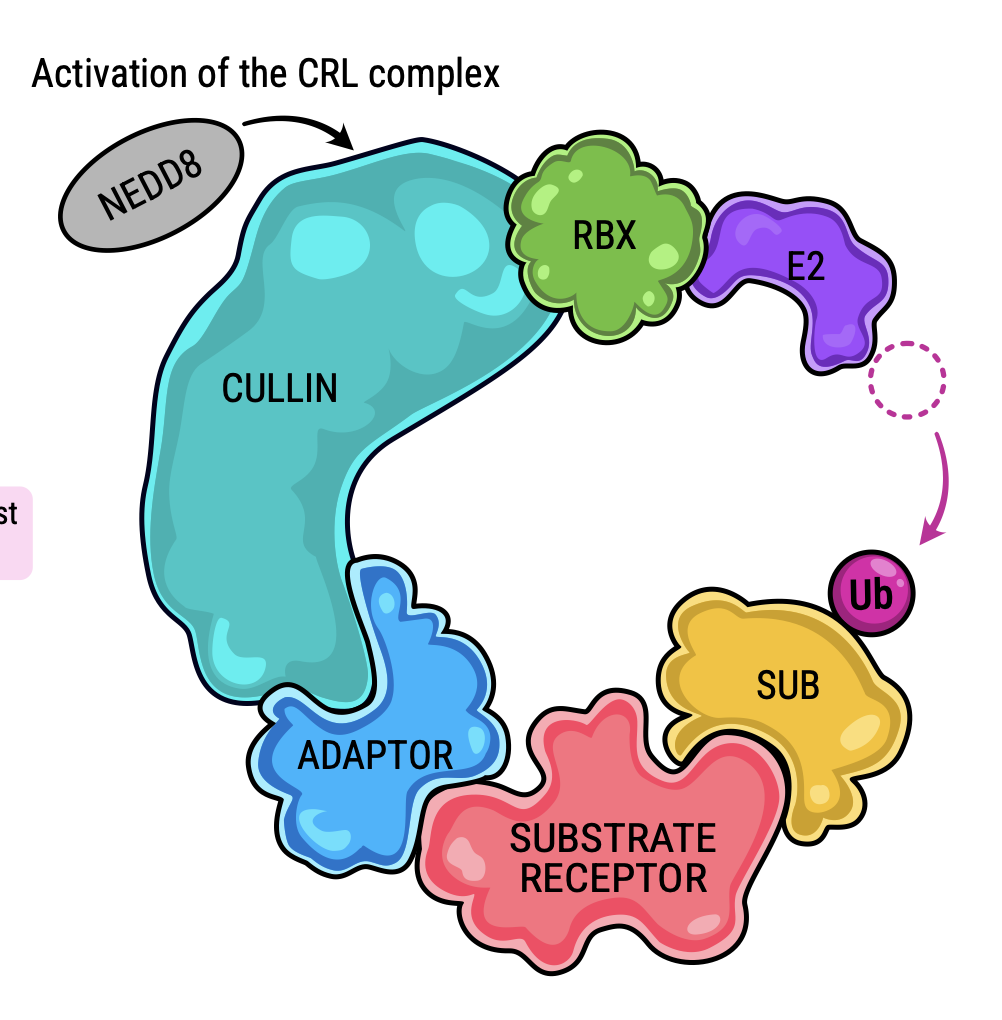
A central, ongoing research programme of the laboratory focuses on elucidating the molecular basis of rare human diseases arising from defects in protein quality control and ubiquitin-dependent regulation. We are systematically investigating disorders linked to dysfunction of ubiquitin ligases, with particular emphasis on cullin–RING E3 ligase substrate receptors. Our work addresses how impaired substrate recognition destabilises tissue-specific proteomes and leads to multisystem phenotypes encompassing neurodevelopmental, muscular, and metabolic pathologies.

Building on these studies, we are expanding our efforts to include rare metabolic disorders that intersect functionally with proteostasis, including PIGV-related disease and related glycosylation- and lipid-linked syndromes. By integrating patient-derived genetic data with quantitative proteomics and in vivo functional modelling in C. elegans, we are defining shared molecular principles that connect ubiquitination, metabolism, and organismal homeostasis, with the long-term goal of enabling improved diagnostics and mechanism-informed therapeutic strategies.We focus on deciphering mechanisms that alter the abundance and types of cellular messenger RNAs and proteins because these kinds of molecules are critical for live-or-die decisions of the cell. We are also investigating the role of protein quality control networks and the ubiquitin system during C. elegans recovery from cold stress. We also conduct drug screens to identify molecules that support the ability of C. elegans to survive cold stress. 

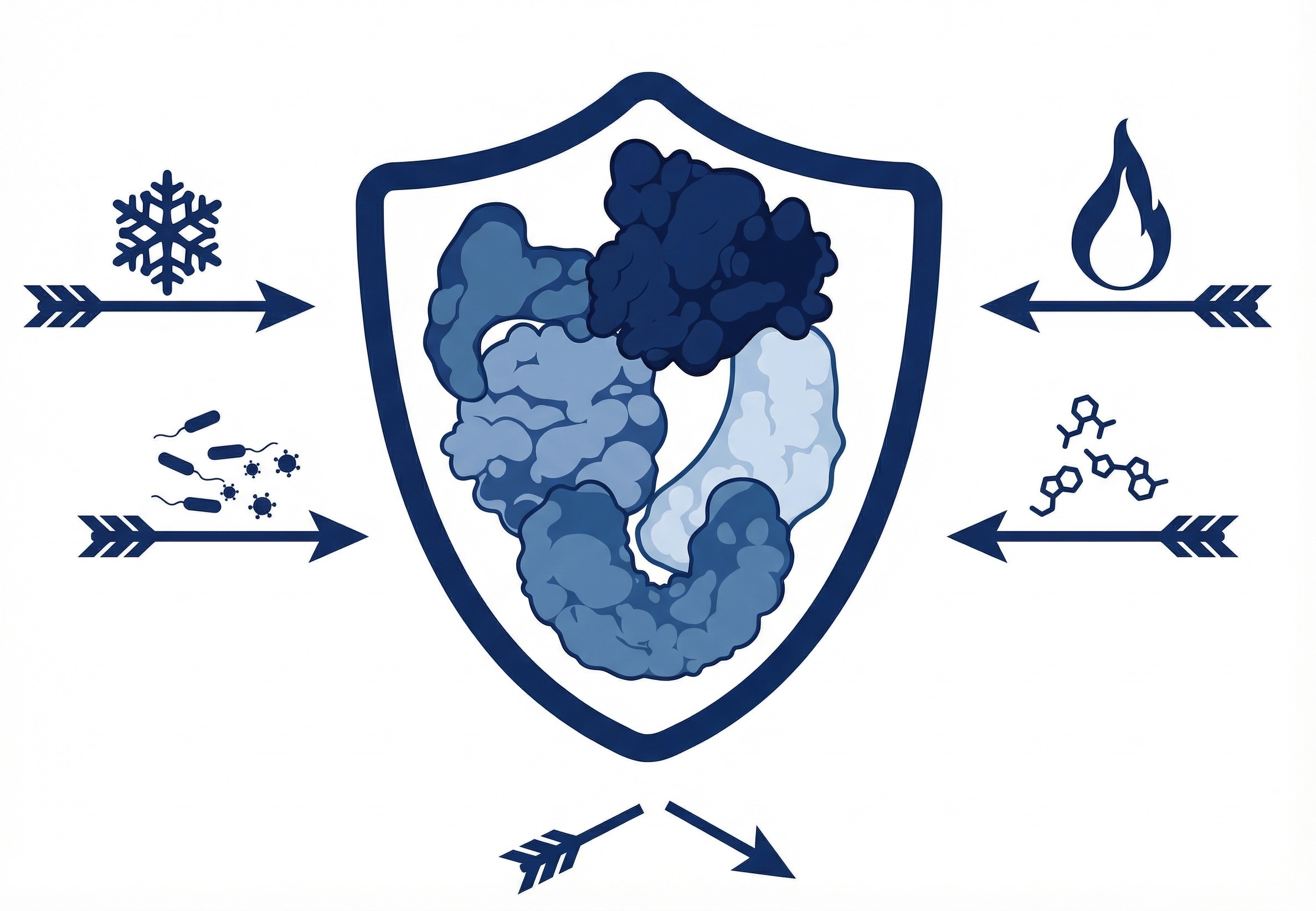
Scheme of proteome as a shield attacked by arrows - stressors
Proteostasis under Chronic Stress

Adaptive survival beyond canonical stress responses

Our laboratory is actively investigating how cells and tissues maintain proteome integrity under prolonged or recurrent proteotoxic stress. When degradation capacity becomes limiting, organisms must adopt adaptive strategies that extend beyond transient heat-shock or unfolded protein responses. A key objective of this project is to define how proteostasis is preserved when growth and biosynthesis must be temporarily deprioritised in favour of survival.

We are characterising stress-adaptive programmes that involve spatial reorganisation of protein quality control, selective stabilisation of damaged proteomes, and delayed recovery processes reminiscent of dormancy or hibernation-like states. Through a combination of genetics, live imaging, and quantitative proteomics, we aim to determine how these strategies sustain tissue function over time and how their failure contributes to ageing and degenerative disease.

Scheme of lipids-proteasome interplay
Lipids–Proteasome Axis in Stress & Ageing

Metabolic control of long-term proteostasis capacity

An active line of investigation in the laboratory examines how lipid metabolism regulates protein degradation during chronic stress and ageing. We are dissecting a conserved lipid–proteasome axis in which modulation of lipid biosynthetic pathways stabilises proteasome function and preserves cellular fitness under sustained proteotoxic conditions, challenging the traditional view of metabolism as a passive energy supplier to protein quality control.

Using C. elegans and human cell systems, we are analysing how lipid composition and inter-tissue lipid signalling reshape proteostasis networks during prolonged stress. This work aims to define how metabolic rewiring supports long-term survival when canonical stress responses become insufficient, and how similar mechanisms may contribute to pathological adaptations such as resistance to proteasome-targeting therapies in cancer.

Scheme of nucleolus as a switch between ribosome biogenesis and proteome protection
Nucleolus as a Stress-Responsive Hub

Dynamic remodelling of ribosome biogenesis under proteotoxic stress

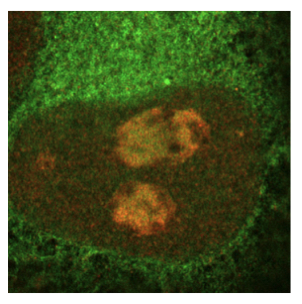
An ongoing research focus of the laboratory is the role of the nucleolus as an active, stress-responsive regulator of proteostasis. We are investigating how proteotoxic stress induces a reversible reorganisation of the nucleolus into a specialised protein quality control compartment that transiently prioritises proteome protection over ribosome biogenesis.

Our work aims to define how nucleolar remodelling integrates protein folding, ubiquitination, sequestration, and controlled recovery, generating distinct nucleolar states that encode proteostasis capacity and readiness to resume biosynthetic activity. By linking structural plasticity of the nucleolus to adaptive stress responses, this project positions ribosome biogenesis as a dynamically regulated process and identifies the nucleolus as a central coordination hub safeguarding cellular homeostasis during and after stress.


News

  • October 2025 | New preprint published

    October 2025 | New preprint published

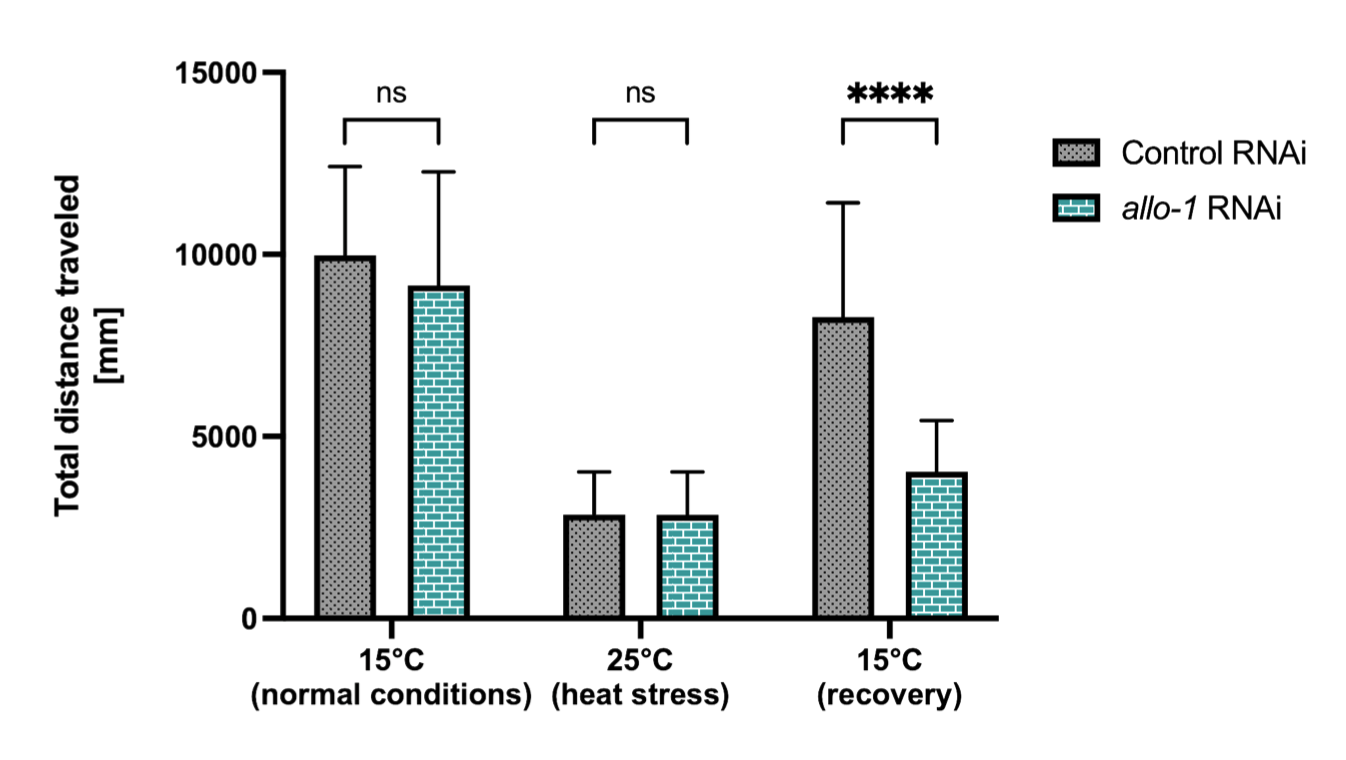
    Our latest research published as a preprint shows how muscles can regain function even before their structure is repaired. Using C. elegans, we identified ALLO-1, a selective autophagy adaptor, as a key regulator of this process.

    Together with partners like IKKE-1, SIP-1, DIM-1, and CAR-1, ALLO-1 forms a network that balances mitochondrial repair and degradation, helping cells restore energy and motility after stress.


    This study reveals how proteostasis, mitochondria, and mechanical integrity work together to enable functional recovery when the muscle contractile machinery is still compromised.

  • October 2025 | New preprint published

    October 2025 | New preprint published

    Our latest study, released as a preprint, uncovers molecular switches that allow the nucleolus to dynamically reorganize into a stress-responsive proteostasis hub.


    We show that the nucleolus can coordinate protein quality control with ribosome biogenesis, engaging the ubiquitin-chaperone network and communicating with other stress organelles, such as the endoplasmic reticulum. These adaptive mechanisms determine whether proteins are stored, repaired, or degraded, and how cells restore normal biosynthetic function once the stress is resolved.


    Because loss of proteostasis and nucleolar dysfunction are increasingly recognized as hallmarks of ageing, neurodegeneration, and cancer, our findings open new perspectives for targeting stress resilience and cellular recovery pathways.

  • September 2025 | Our presence at two conferences

    September 2025 | Our presence at two conferences

    In September, our Ph.D. student, Natalia, attended two excellent meetings. She was invited to present her research at the Polonium Foundation’s “Science: Polish Perspectives” in Cambridge, UK.

    A week later, she presented a poster on our DEGRONOPEDIA tool and its upcoming 2.0 features at the EMBO Young Scientists’ Forum in Vilnius, gathering valuable feedback and opening several promising collaboration opportunities. 

  • August 2025 | New article published

    August 2025 | New article published

    We are pleased to share our joint study with Prof. Andrew Wood’s group (University of Edinburgh) through the RACE consortium (Horizon Europe Teaming for Excellence), showing that tag effects on protein expression are highly cell- and tissue-dependent in mouse models.

    In a knock-in line where the endogenous Ncaph2 was C-terminally fused to an AID (auxin-inducible degron), the tag produced opposite outcomes: unintended degradation from tissue-specific “leakage” in some tissues and stabilization in post-mitotic cells by masking an endogenous C-terminal degron. Our DEGRONOPEDIA tool (degronopedia.com) supported degron annotation and interpretation, while the tissue tag specificity was demonstrated in vivo. These findings argue against one-size-fits-all tagging and support 3R-aligned transgenic design.

  • July 2025 | M.Sc. thesis defense by Gabriela

    July 2025 | M.Sc. thesis defense by Gabriela

    Our master's student, Gabriela, successfully defended her thesis!

    Gabriela's research focused on elucidating the degradation mechanism of human FBXL15 – a substrate recognition subunit of the cullin-RING ligase complex. She investigated the role of the lysine-deficient region (lysine desert) in FBXL15 stability and identified factors involved in its non-lysine regulation.

    Following excellent thesis reviews and an equally impressive defense, Gabriela graduated with distinction. Thank you for your valuable contributions, and congratulations!

  • July 2025 | Our presence at 49th FEBS Congress

    July 2025 | Our presence at 49th FEBS Congress

    We are pleased to share that Natalia, our Ph.D. student, presented a poster on DEGRADATOR—the first educational game designed to explain protein degradation mechanisms and PROTAC technology—at the 49th FEBS Congress in Istanbul. It was a fantastic opportunity to showcase our science outreach efforts and marks an exciting step toward expanding our lab’s engagement in public science communication and education.

Publications

2025

Volatile and non-volatile pathogen cues shape host extracellular vesicles production in pre-infection response
Kołodziejska, K., Szczepańska, A., Vadlamani, S., Ponath Sukumaran, R., Radkiewicz, M., Bringmann, H., Pujol, N., Pokrzywa, W., & Turek, M.
Nature Communications
doi: 10.1038/s41467-025-67789-z

A dosage-sensitive ALLO-1 network coordinates mitochondrial quality control to enable functional recovery of structurally compromised muscle

Sarkar, A., Biriczova, L., Szulc, N.A., Thapa, P., Serwa, R. & Pokrzywa, W.
bioRxiv
doi: 10.1101/2025.10.16.682884

CHIP, VCP, and Nucleolar Gatekeepers Remodel the Nucleolus into a Stress-Responsive Proteostasis Hub
Piechota, M., Biriczova, L., Kowalski, K., Aprile Garcia, F., Lesniczak-Staszak, M., Szulc, N.A., Szaflarski, W., Sawarkar, R. & Pokrzywa, W.
bioRxiv
doi: 10.1101/2025.10.04.680426

Tissue-specific consequences of tag fusions on protein expression in transgenic mice
Taylor, G.C.A., Macdonald, L., Szulc, N.A., Gudauskaite, E., Moran, B.H., Brisbane, J.M., Donald, M., Taylor, E., Zheng, D., Gu, B., Mill, P., Yeyati, P. L., Pokrzywa, W., Almeida, C.R. de, & Wood, A. J.
PLOS Genetics
doi: 10.1371/journal.pgen.1011830

DEGRONOPEDIA: A practical guide to identifying and targeting protein degrons
Szulc, N.A.* & Pokrzywa, W.*
Methods in Enzymology
doi: 10.1016/bs.mie.2025.06.014

Quantitative insights into protein turnover and ubiquitination with HiBiT and NanoBRET
Piechota, M.* & Pokrzywa, W.*
Methods in Enzymology
doi: 10.1016/bs.mie.2025.06.026

A novel MAPK1 variant in a family with complex psychiatric and neurodegenerative clinical phenotype
Dubey, A.A., Rydzanicz, M., Barczak, A., Szulc, N.A., Surpeta, B., Kuzniewska, B., Gaweda-Walerych, K., Wężyk, M., Berdyński, M., Fichna, J., Kostrzewa, G., Gasperowicz, P., Stępniak, I., Szymańska, K., Szczałuba, K., Brezovsky, J., Dziembowska, M., Pokrzywa, W.* & Ploski, R.*
Research Square
doi: 10.21203/rs.3.rs-5881666/v1

DEGRADATOR: A Gaming Expedition Into Targeted Protein Degradation Therapies
Szulc, N.A.*, Olchowik, A., Jaszczak, P., Janiak, B., Cup, M., Tomaszewski, J. & Pokrzywa, W.*
Journal of Chemical Education
doi: 10.1021/acs.jchemed.4c00823

---
bolded - member of the Pokrzywa lab
* corresponding author
equal contribution

2024

Pathogen threat proximity shapes host extracellular vesicle production in pre-infection response
Kołodziejska, K., Szczepańska A., Pujol N., Pokrzywa, W. & Turek M.
bioRxiv
doi: 10.1101/2024.11.18.624080

HSP70 inhibits CHIP E3 ligase activity to maintain germline function in Caenorhabditis elegans
Thapa, P., Chikale, R.V., Szulc, N.A., Pandrea, M-T., Sztyler, A., Jaggi, K., Niklewicz, M., Serwa, R. A., Hoppe, T., & Pokrzywa, W.*
Journal of Biological Chemistry
doi: 10.1016/j.jbc.2024.107864

Optogenetic induction of mechanical muscle stress identifies myosin regulatory ubiquitin ligase NHL-1 in C. elegans
Kutzner, C.E., Bauer, K.C., Lackmann, JW., Acton R.J., Sarkar A., Pokrzywa W. & Hoppe T.
Nature Communications
doi: 10.1038/s41467-024-51069-3

Floxuridine supports UPS independent of germline signaling and proteostasis regulators via involvement of detoxification in C. elegans
Dubey, A. A., Sarkar, A., Milcz, K., Szulc, N. A., Thapa, P., Piechota, M., Serwa, R. A., & Pokrzywa, W.*
PLOS Genetics
doi: 10.1371/journal.pgen.1011371

SARS-CoV-2 inhibitory potential of fish oil-derived 2-pyrone compounds by acquiring linoleic acid binding site on the spike protein
Duragkar, N., Chikhale, R., Piechota, M., Danta, C. C., Gandhale, P., Itankar, P., Chikhale, S., Gurav, N., Khan, M. S., Pokrzywa, W., Thapa, P., Bryce, R., & Gurav, S.*
International Journal of Biological Macromolecules
doi: 10.1016/j.ijbiomac.2024.133634

DEGRONOPEDIA: a web server for proteome-wide inspection of degrons
Szulc N.A.*, Stefaniak F., Piechota M., Soszyńska A., Piórkowska G., Cappannini A., Bujnicki J.M., Maniaci C., & Pokrzywa W.*
Nucleic Acids Research
doi: 10.1093/nar/gkae238

Pheromone-based communication influences the production of somatic extracellular vesicles in C. elegans
Szczepańska A ., Olek K. , Kołodziejska K., Yu J., Tudu Ibrahim A., Adamkiewicz L., Schroeder F.C., Pokrzywa W.* & Turek M.*
Nature Communications
doi: 10.1038/s41467-024-47016-x

---
bolded - member of the Pokrzywa lab
* corresponding author
equal contribution

2023

SAM, SAH and C. elegans longevity: insights from a partial AHCY deficiency model
Thapa P, Olek K., Kowalska A., Serwa R.A, & Pokrzywa W.*
npj Aging
doi: 10.1038/s41514-023-00125-1 

Lysine deserts and cullin-RING ligase receptors: Navigating untrodden paths in proteostasis
Szulc N.A.*, Piechota M., Biriczova L., Thapa P., & Pokrzywa W.*
iScience
doi: 10.1016/j.isci.2023.1083 

Sterility-Independent Enhancement of Proteasome Function via Floxuridine-Triggered Detoxification in C. elegans
Dubey A.A., Szulc N.A., Piechota M., Serwa R.A. & Pokrzywa W.*
bioRxiv
doi: 10.1101/2023.11.11.566706 

Structural Interaction Fingerprints and Machine Learning for predicting and explaining binding of small molecule ligands to RNA
Szulc N.A.*, Mackiewicz Z., Bujnicki J.M.* & Stefaniak F.*
Briefings in Bioinformatics
doi: 10.1093/bib/bbad187

In silico analysis of the profilaggrin sequence indicates alterations in the stability, degradation route, and intracellular protein fate in filaggrin null mutation carriers
Paul A.A., Szulc N.A., Kobiela A., Brown S.J., Pokrzywa W.* & Owsiak-Gutowska D.*
Frontiers in Molecular Biosciences
doi: 10.3389/fmolb.2023.1105678

SAH and C. elegans Longevity: Insights from an AHCY Deficiency Model
Thapa P., Banasiak K., Serwa R. & Pokrzywa W.*
Research Square
doi: 10.21203/rs.3.rs-2855835/v1 

Impaired iron recycling from erythrocytes is an early hallmark of aging
Slusarczyk P., Mandal P.K., Zurawska, G. Niklewicz M., Chouhan K., Mahadeva R., Jończy A., Macias M., Szybinska A., Cybulska-Lubak M., Krawczyk O., Herman S., Mikula M., Serwa R., Lenartowicz M., Pokrzywa W. & Mleczko-Sanecka K.
eLife
doi: 10.7554/eLife.79196 

Lysine-deficient proteome can be regulated through non-canonical ubiquitination and ubiquitin-independent proteasomal degradation
Szulc N.A.*, Piechota M., Thapa P., & Pokrzywa W.*
bioRxiv
doi: 10.1101/2023.01.18.524605 

Structural Interaction Fingerprints and Machine Learning for predicting and explaining binding of small molecule ligands to RNA
Szulc N.A.*, Mackiewicz Z., Bujnicki J.M.* & Stefaniak F.*
bioRxiv
doi: 10.1101/2023.01.11.523582 

Preparation of Caenorhabditis elegans for Scoring of Muscle-derived Exophers
Banasiak K.*, Turek M.* & Pokrzywa W.*
Bio-protocol
doi: 10.21769/BioProtoc.4586

---
bolded - member of the Pokrzywa lab
* corresponding author
equal contribution

2022

Pheromone-dependent olfaction bidirectionally regulates muscle extracellular vesicles formation
Banasiak K., Szczepańska A., Kołodziejska K., Tudu Ibrahim A., Pokrzywa W.* & Turek M.*
bioRxiv
doi: 10.1101/2022.12.22.521669 

In silico analysis of the profilaggrin sequence indicates alterations in the stability, degradation route, and intracellular protein fate in filaggrin null mutation carriers
Paul A.A., Szulc N.A., Kobiela A., Brown S.J., Pokrzywa W.* & Owsiak-Gutowska D.*
Research Square
doi: 10.21203/rs.3.rs-2302890/v1 

A novel de novo FEM1C variant is linked to neurodevelopmental disorder with absent speech, pyramidal signs, and limb ataxia
Dubey A.A., Krygier M., Szulc N.A., Rutkowska K., Kosinska J., Pollak A., Rydzanicz M., Kmiec T., Mazurkiewicz-Beldzinska M., Pokrzywa W.* & Ploski R.*
Human Molecular Genetics
doi: 10.1093/hmg/ddac276 

A dimer-monomer switch controls CHIP-dependent substrate ubiquitylation and processing
Balaji V., Müller L., Lorenz R., Kevei E., Zhang W.H., Santiago U., Gebauer J., Llamas E., Vilchez D., Camacho C.J., Pokrzywa W. & Hoppe T.
Molecular Cell
doi: 10.1016/j.molcel.2022.08.003 

Ferritin-mediated iron detoxification promotes hypothermia survival in Caenorhabditis elegans and murine neurons
Pekec T., Lewandowski J., Komur A.A., Sobańska D., Guo Y., Świtońska-Kurkowska K., Małecki J.M., Dubey A.A., Pokrzywa W, Frankowski M., Figiel M. & Ciosk R.
Nature Communications
doi: 10.1038/s41467-022-32500-z 

A heterotypic assembly mechanism regulates CHIP E3 ligase activity
Das, A., Thapa, P., Santiago, U., Shanmugam, N., Banasiak, K., Dabrowska, K., Nolte, H., Szulc, N.A., Gathungu, R. M., Cysewski, D., Krueger, M., Dadlez, M., Nowotny, M., Camacho, C. J., Hoppe, T., & Pokrzywa, W.*
EMBO Journal
doi: 10.15252/embj.2021109566 

fingeRNAt - a novel tool for high-throughput analysis of nucleic acid-ligand interactions
Szulc, N.A.*, Mackiewicz, Z., Bujnicki, J.M.*, & Stefaniak F.*
PLOS Computational Biology
doi: 10.1371/journal.pcbi.1009783 

DEGRONOPEDIA - a web server for proteome-wide inspection of degrons
Szulc N.A.*, Stefaniak F., Piechota M., Cappannini A., Bujnicki J.M. & Pokrzywa W.*
bioRxiv
doi: 10.1101/2022.05.19.492622 

CHIP ubiquitin ligase is involved in the nucleolar stress management
Piechota M.*, Biriczova L., Kowalski K., Szulc N.A. & Pokrzywa W.*
bioRxiv
doi: 10.1101/2022.05.17.492288

A novel de novo FEM1C variant is linked to neurodevelopmental disorder with absent speech, pyramidal signs, and limb ataxia
Dubey A.A., Krygier M., Szulc N.A., Rutkowska K., Kosinska J., Pollak A., Rydzanicz M., Kmiec T., Mazurkiewicz-Beldzinska M., Pokrzywa W.* & Ploski R.*
bioRxiv
doi: 10.1101/2022.04.24.489208

Impaired iron recycling from erythrocytes is an early iron-dependent hallmark of aging
Mandal, P. K., Slusarczyk P., Zurawska G., Cybulska M., Krawczyk O., Mikula M., Herman S., Lenartowicz M., Serwa R., Pokrzywa W., & Mleczko-Sanecka K.
bioRxiv
doi: 10.1101/2022.01.16.476518

---
bolded - member of the Pokrzywa lab
* corresponding author
equal contribution

2021

fingeRNAt - a novel tool for high-throughput analysis of nucleic acid-ligand interactions
Szulc, N.A.*, Mackiewicz, Z., Bujnicki, J.M.*, & Stefaniak F.*
bioRxiv
doi: 10.1101/2021.12.23.474073 

Heterotypic assembly mechanism regulates CHIP E3 ligase activity
Das, A., Thapa, P., Santiago, U., Shanmugam, N., Banasiak, K., Dabrowska, K., Nolte, H., Szulc, N.A., Gathungu, R. M., Cysewski, D., Krueger, M., Dadlez, M., Nowotny, M., Camacho, C. J., Hoppe, T., & Pokrzywa, W.*
bioRxiv
doi: 10.1101/2021.08.20.457118 

Muscle-derived exophers promote reproductive fitness
Turek, M., Banasiak, K., Piechota, M., Shanmugam, N., Macias, M., Śliwińska, M. A., Niklewicz, M., Kowalski, K., Nowak, N., Chacinska, A., & Pokrzywa, W.*
EMBO reports
doi: 10.15252/embr.202052071 

Maintaining proteostasis under mechanical stress
Höhfeld, J., Benzing, T., Bloch, W., Fürst, D.O., Gehlert, S., Hesse, M., Hoffmann, B., Hoppe, T., Huesgen, P.F., Köhn, M., Kolanus, W., Merkel, R., Niessen, C. M., Pokrzywa, W., Rinschen, M.M., Wachten, D., & Warscheid, B.
EMBO reports
doi: 10.15252/embr.202152507 

The dose-dependent pleiotropic effects of the UBB+1 ubiquitin mutant
Banasiak, K., Szulc, N.A., & Pokrzywa, W.*
Frontiers in Molecular Biosciences
doi: 10.3389/fmolb.2021.650730

---
bolded - member of the Pokrzywa lab
* corresponding author

2020 and earlier

The ubiquitin-conjugating enzyme UBE2K determines neurogenic potential through histone H3 in human embryonic stem cells
Fatima, A., Irmak, D., Noormohammadi, A., Rinschen, M.M., Das, A., Leidecker, O., Schindler, C., Sánchez-Gaya, V., Wagle, P., Pokrzywa, W., Hoppe, T., Rada-Iglesias, A., & Vilchez, D.
Communications Biology
doi: 10.1038/s42003-020-0984-3 

Ubiquitin signaling regulates RNA biogenesis, processing, and metabolism
Thapa, P., Shanmugam, N., & Pokrzywa, W.*
BioEssays
doi: 10.1002/bies.201900171

CHIP ubiquitylates NOXA and induces its lysosomal degradation in response to DNA damage
Albert, M.-C., Brinkmann, K., Pokrzywa, W., Günther, S. D., Krönke, M., Hoppe, T., & Kashkar, H.
Cell Death & Disease
doi: 10.1038/s41419-020-02923-x 

Bioshell 3.0: Library for processing structural biology data
Macnar, J.M., Szulc, N.A., Kryś, J.D., Badaczewska-Dawid, A.E., & Gront, D.
Biomolecules
doi: 10.3390/biom10030461 

Pathogenic variants in the myosin chaperone UNC-45B cause progressive myopathy with eccentric cores
Donkervoort, S., Kutzner, C. E., Hu, Y., Lornage, X., Rendu, J., Stojkovic, T., Baets, J., Neuhaus, S.B., Tanboon, J., Maroofian, R., Bolduc, V., Mroczek, M., Conijn, S., Kuntz, N. L., Töpf, A., Monges, S., Lubieniecki, F., McCarty, R. M., Chao, K. R., Governali, S., Böhm, J., Boonyapisit, K., Malfatti, E., Sangruchi, T., Horkayne-Szakaly, I., Hedberg-Oldfors, C., Efthymiou, S., Noguchi, S., Djeddi, S., Iida, A., di Rosa, G., Fiorillo, C., Salpietro, V., Darin, N., Faure, J., Houlden, H., Oldfors, A., Nishino, I., de Ridder, W., Straub, V., Pokrzywa, W., Laporte, J., Foley, R., Romero, N.B., Ottenheijm, C., Hoppe, T., & Bönnemann, C.G.
The American Journal of Human Genetics
doi: 10.1016/j.ajhg.2020.11.002

Ubiquitylation pathways in insulin signaling and organismal homeostasis
Balaji, V., Pokrzywa, W., & Hoppe, T.
BioEssays
doi: 10.1002/bies.201700223 

The ubiquitin ligase UBR5 suppresses proteostasis collapse in pluripotent stem cells from Huntington’s disease patients
Koyuncu, S., Saez, I., Lee, H. J., Gutierrez-Garcia, R., Pokrzywa, W., Fatima, A., Hoppe, T., & Vilchez, D.
Nature Communications
doi: 10.1038/s41467-018-05320-3

Chaperone-directed ubiquitylation maintains proteostasis at the expense of longevity
Pokrzywa, W., Lorenz, R., & Hoppe, T.
Worm
doi: 10.1080/21624054.2017.137140 

CHIPped balance of proteostasis and longevity
Pokrzywa, W., & Hoppe, T.
Oncotarget
doi: 10.18632/oncotarget.22101 

Repair or destruction - an intimate liaison between ubiquitin ligases and molecular chaperones in proteostasis
Kevei, É., Pokrzywa, W., & Hoppe, T.
FEBS Letters
doi: 10.1002/1873-3468.12750

---
bolded - member of the Pokrzywa lab
* corresponding author
equal contribution

Game

In addition to conducting scientific research, our lab is also a computer games studio after hours :)

DEGRADATOR is an innovative 2D game blending education with entertainment, inviting players to take on the role of an enzyme involved in breaking down proteins in cells. Spanning ten levels, this game is the first to explore the process of protein degradation, a vital aspect of maintaining cellular health. The game also educates on cutting-edge PROTAC drug technology with quizzes and an in-game encyclopedia. Aimed at making complex science simple, DEGRADATOR is perfect for anyone looking to learn through play, offering insights into the world of molecular biology.

🥉 We are also extremely proud that DEGRADATOR has been awarded 3rd place in the fully developed games category at the 12th International Educational Games Competition in 2024!

The game is available to play at degradator-game.com

Funding

Logos of funding agencies
Open grants
OpenClose
Closed grants
OpenClose

Team

Principal Investigator

Photo of Prof. Wojciech Pokrzywa

Wojciech Pokrzywa, Ph.D., D.Sc.

Since mid-2017, he has led a research group investigating protein metabolism, with a focus on translation control, the ubiquitin–proteasome system, molecular chaperone networks and muscle exophers. He earned his Ph.D. at the Catholic University of Louvain (Belgium), where he studied the ubiquitin–proteasome system in yeast, and then completed postdoctoral training in Prof. Thorsten Hoppe’s group at the University of Cologne (Germany), exploring proteostasis during development and ageing in C. elegans - work that resulted in two first-author Cell publications.

He has authored over 45 scientific articles, including articles in Nature Communications (Editors’ highlight), EMBO Journal (cover story), Nucleic Acids Research, EMBO Reports (cover story), Human Molecular Genetics and PLOS Genetics. He has secured ~€3.6M in competitive research funding from organisations such as EMBO, the German Research Foundation, the National Science Centre and the Foundation for Polish Science.

Lab Members

POSTDOCS

Andrés Felipe Leal Bohórquez, Ph.D.
Bogdan Cichocki, Ph.D.
Małgorzata Piechota, Ph.D.
Agnieszka Sztyler, Ph.D.
Pankaj Thapa, Ph.D.

Ph.D. STUDENTS

Lilla Biriczová, M.Sc.
Karolina Milcz, M.Sc.
Smriti Raina, M.Sc.
Anwesha Sarkar, M.Sc.
Natalia Szulc, M.Sc.

Specialists 

Kushboo Jaggi, M.Sc.
Marta Niklewicz, M.Sc.
Gabriela Skrzyńska, M.Sc.


Join Us

Are you interested in molecular mechanisms of proteostasis? Looking for a group of passionate scientists with an exceptionally friendly working atmosphere? Why not join the Pokrzywa lab then?

We are always looking for highly motivated individuals eager to pursue research in our group. If you are interested in possible future opportunities, please send us your CV.


Contact

Laboratory's Office

Phone: +48 22 597 07 77
E-mail: pokrzywa-office@iimcb.gov.pl

Principal Investigator

Wojciech Pokrzywa, Ph.D., D.Sc. 

Phone: +48 22 597 07 43
E-mail: wpokrzywa@iimcb.gov.pl

Address

Laboratory of Protein Metabolism

International Institute of Molecular and Cell Biology in Warsaw

4 Ks. Trojdena Street

02-109 Warsaw, Poland 

Pokrzywa Lab logo
IIMCB logo